Service times, addresses and a plain description of what each congregation believes, for churches across the city, from the lower city and the Mountain to Ancaster, Dundas, Stoney Creek, Flamborough and Glanbrook.
48 congregations across 14 denominations in Hamilton.
Weekly Sunday morning and afternoon services, from each church's own website.
Evening
services are on each church's own page. Holiday and summer schedules can differ.
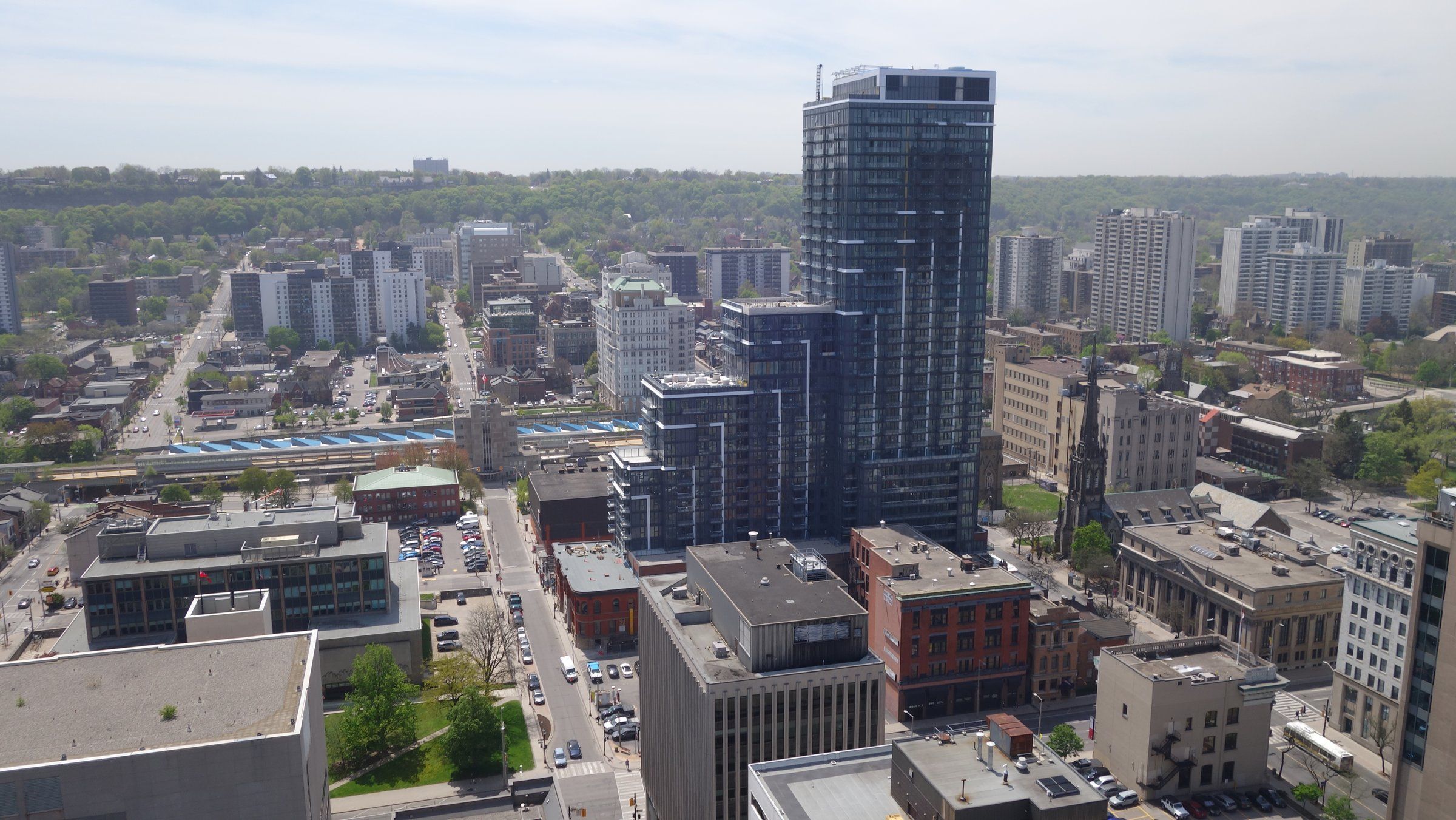
Hamilton grew up at the Head of the Lake, between Burlington Bay and the escarpment the city calls the Mountain. Some of its congregations date from the nineteenth century and worship in the stone churches of the lower city, Ancaster, Dundas and Waterdown, and newer ones meet across the Mountain, in Stoney Creek and in Glanbrook. This guide lists a growing number of them so you can find a service this Sunday.
The Head of the Lake
Hamilton stands at the western end of Lake Ontario, on Burlington Bay, below the face of the Niagara Escarpment that the city knows simply as the Mountain. In 1815 George Hamilton, a veteran of the War of 1812, bought a house and 257 acres in the small village then called the Head of the Lake, laid out a town site and sold lots to newcomers; in March 1816 the town was chosen as the seat of the new Gore District and named after him. It was incorporated as a city in 1846. It became a major Great Lakes port and Canada’s largest steel producer, and after the Second World War immigration from the Netherlands, Germany, Italy and Poland reached its peak in 1954. In 2001 the city took in the former towns of Ancaster, Dundas, Flamborough and Stoney Creek and the former township of Glanbrook, and the 2021 census counted 569,353 residents.
The churches of the lower city
Many of the city’s oldest congregations worship between the bay and the escarpment:
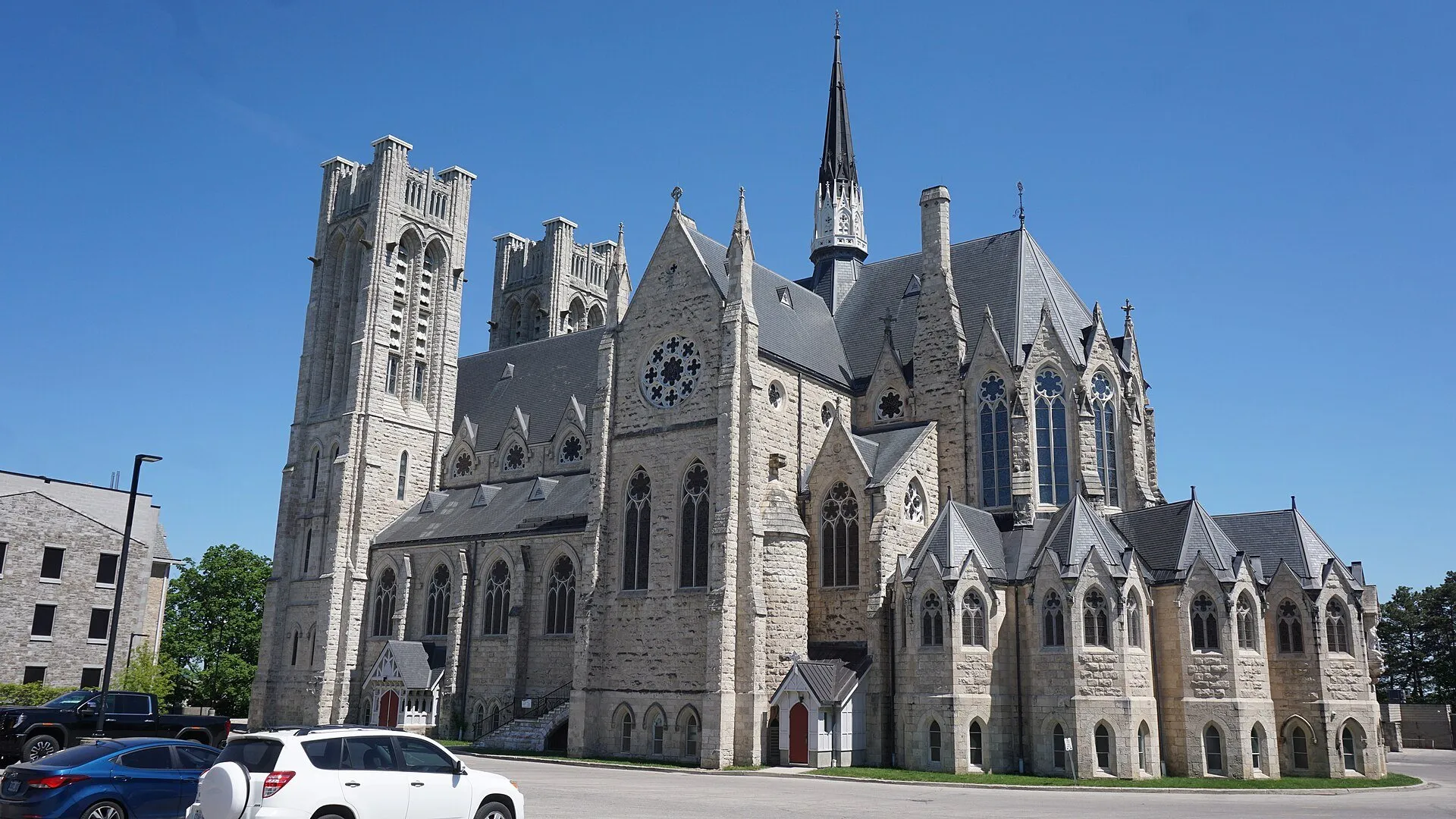
Christ’s Church Cathedral on James Street North, the cathedral of the Anglican Diocese of Niagara, whose congregation has worshipped on its site since 1835
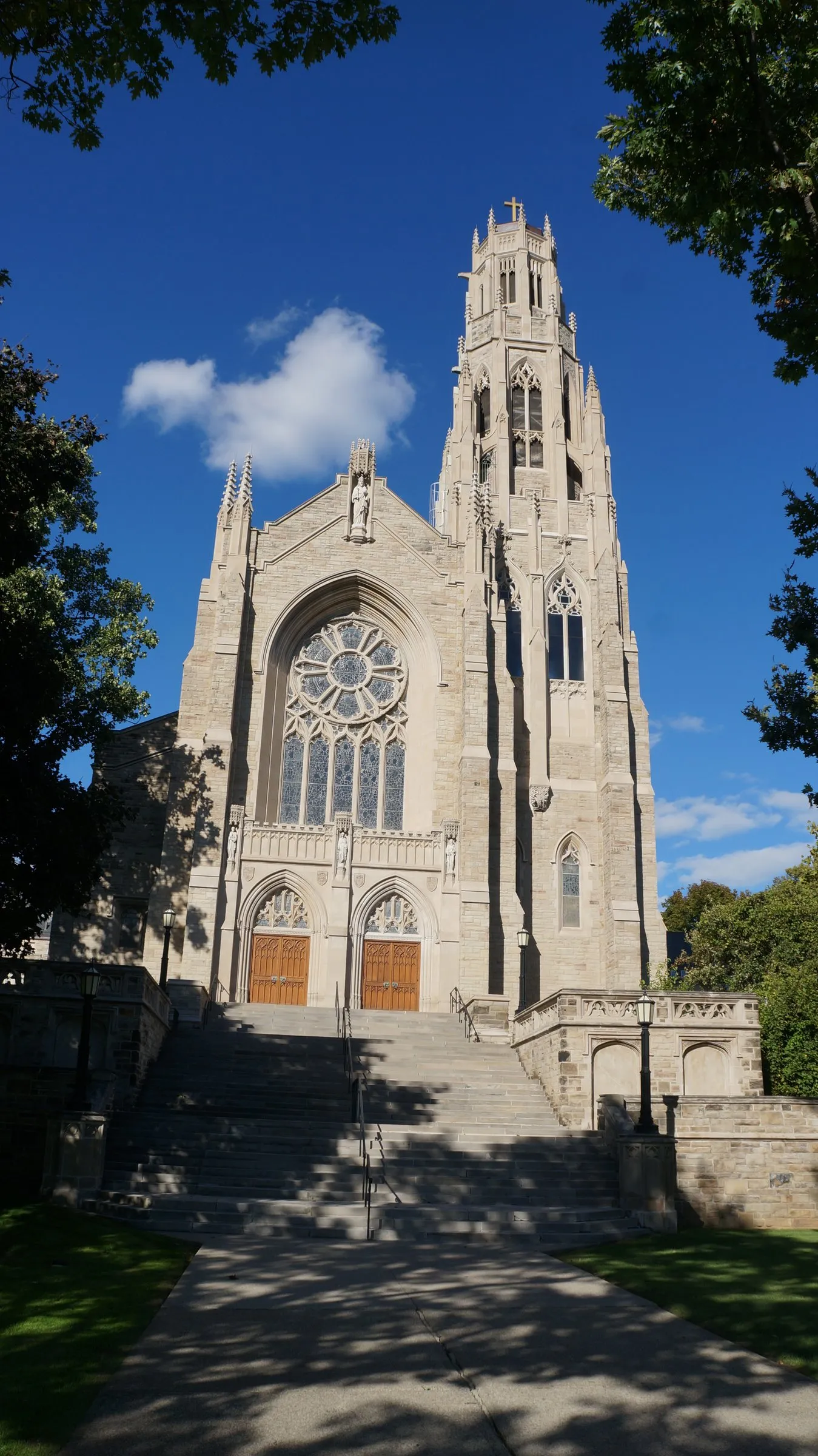
the Cathedral Basilica of Christ the King, the Catholic cathedral at the western entrance to the city, dedicated in 1933 and made a minor basilica in 2013
St. Mary’s at Park and Sheaffe streets, which the first Bishop of Hamilton made his cathedral in 1856 and which is now a Portuguese and English parish
St. Paul’s Presbyterian Church on James Street South, built between 1854 and 1857 and a national historic site, and Central Presbyterian Church on Charlton Avenue West, whose congregation dates from 1841
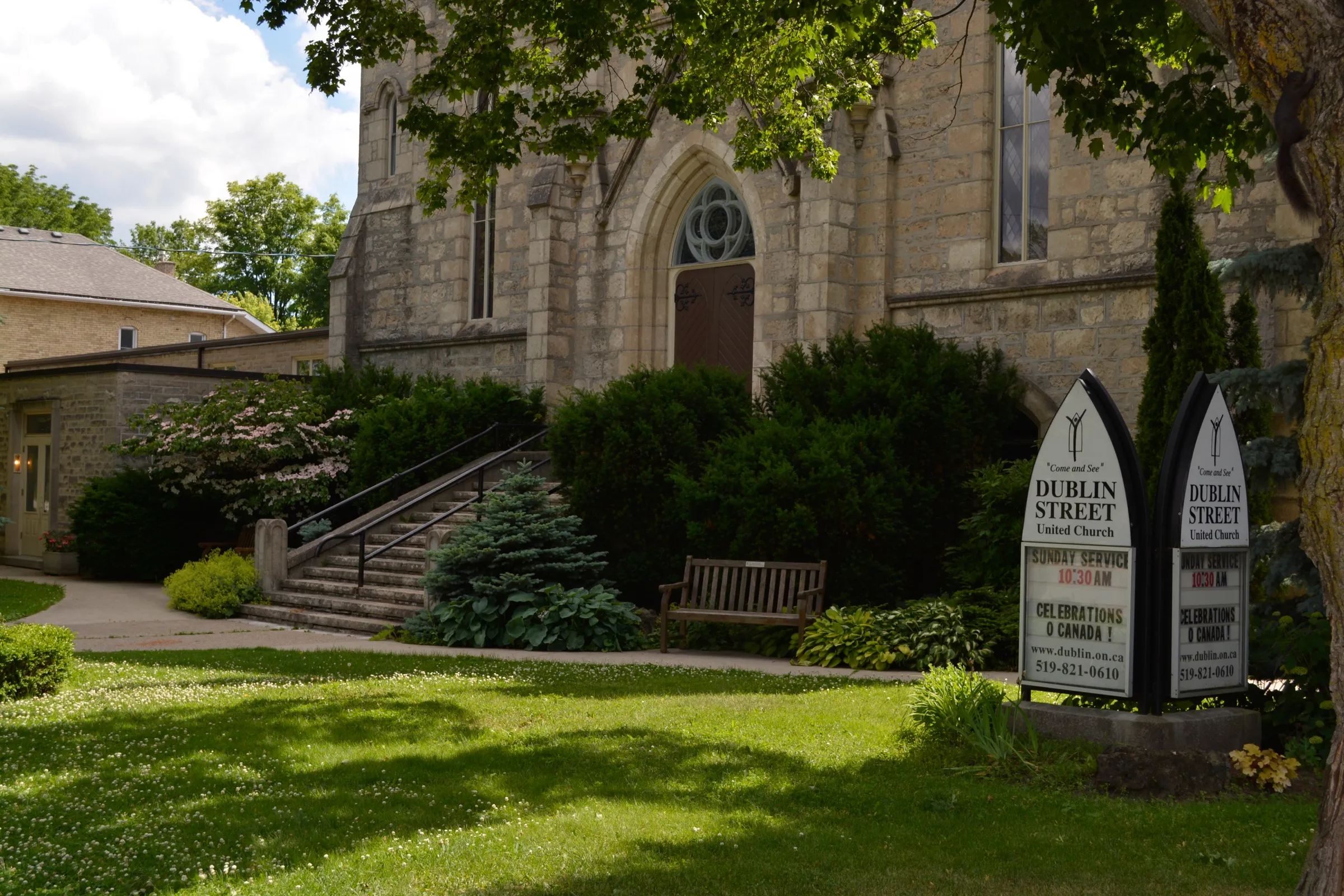
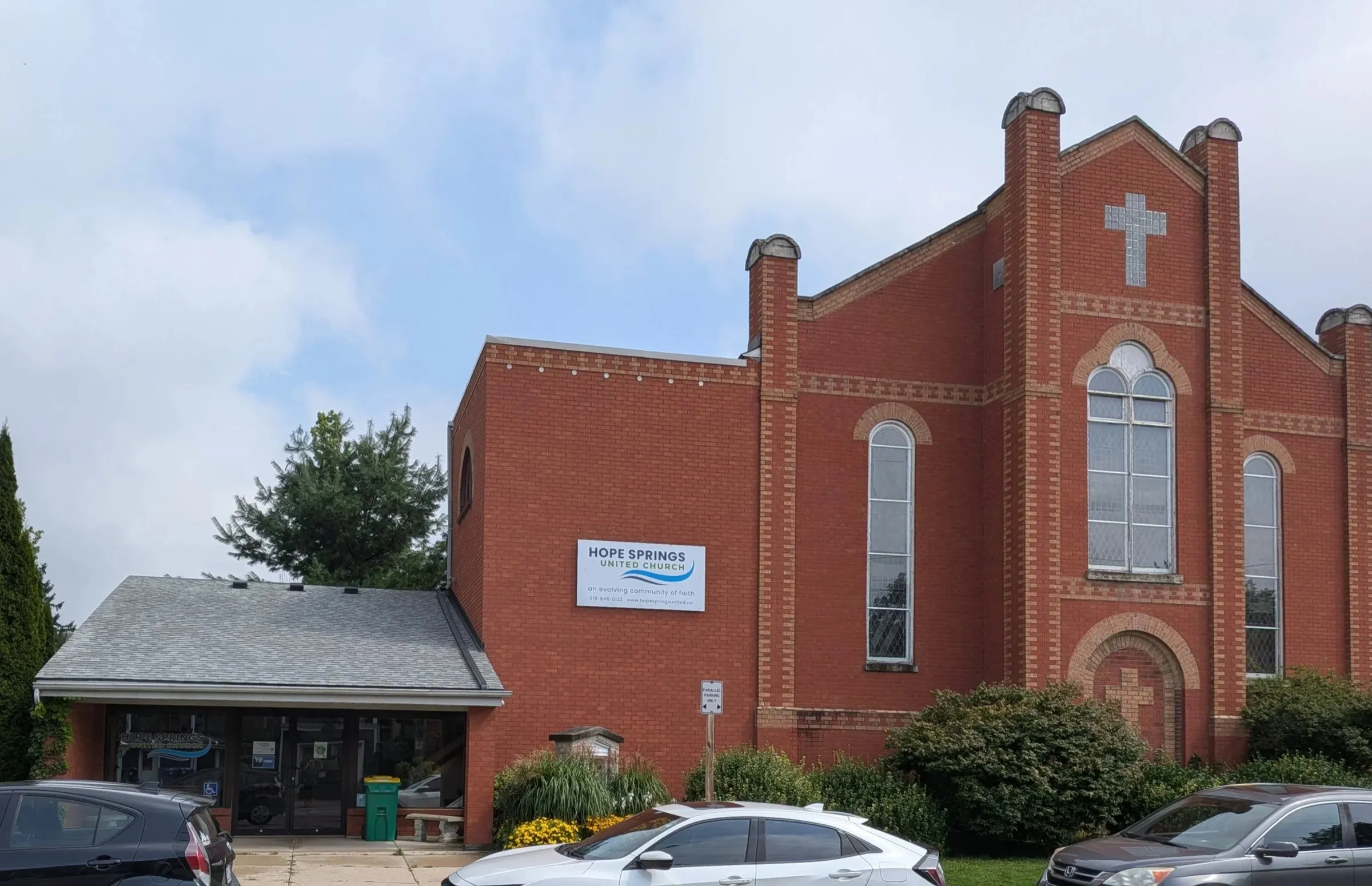
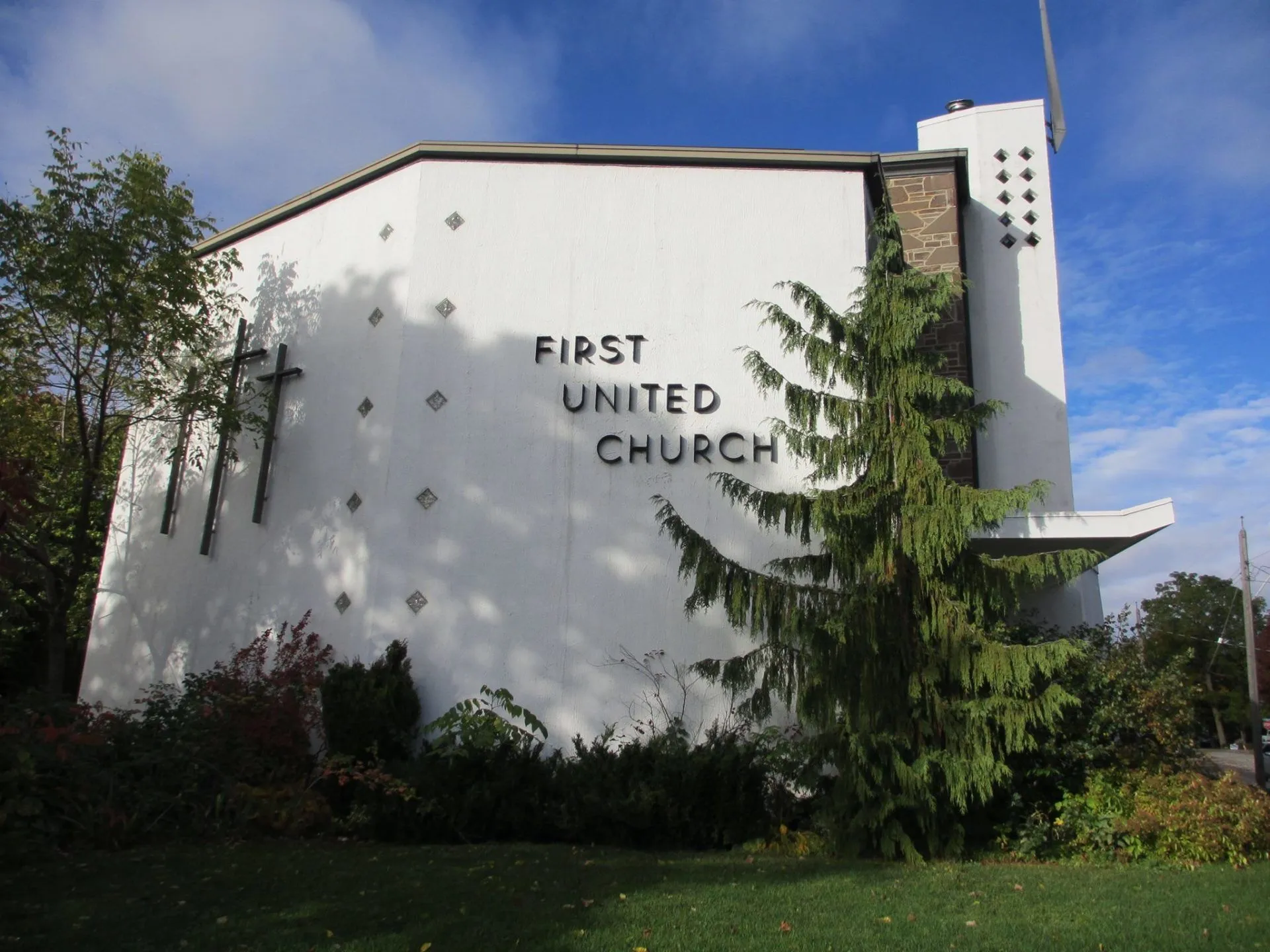
New Vision United Church, in the former Centenary church of 1868 on Main Street West, and First Hamilton Christian Reformed Church in Durand, in a church built for the Methodists in 1883
in the east end, St. Stanislaus Kostka, the city’s Polish parish since 1912, the Ukrainian Orthodox Cathedral of St. Vladimir on Barton Street East, and Redeemer Lutheran Church
Philpott Church on King Street East, which grew from the Christian Workers movement of the 1890s, and James North Baptist Church in the North End, which dates its founding to 1887
Templo Nueva Vida, a Spanish-speaking Pentecostal congregation in Crown Point, in a church built for the Methodists in 1913
Across the city
In Ancaster, St. John’s Anglican, whose stone church was finished in 1869, St. Andrew’s Presbyterian, the Catholic parish of St. Ann and Rehoboth United Reformed Church, and at the Meadowlands The Salvation Army Meadowlands Community Church
In Dundas, St. James Anglican, St. Paul’s United and Calvin Christian Reformed Church
In Waterdown, Grace Anglican, whose stone church dates from 1860, Knox Presbyterian, St. Thomas the Apostle and Flamborough Baptist Church
In Stoney Creek and Winona, St. Francis Xavier, Fifty United Church, which dates its congregation to 1796, and Winona Gospel Church, which traces its own to 1893
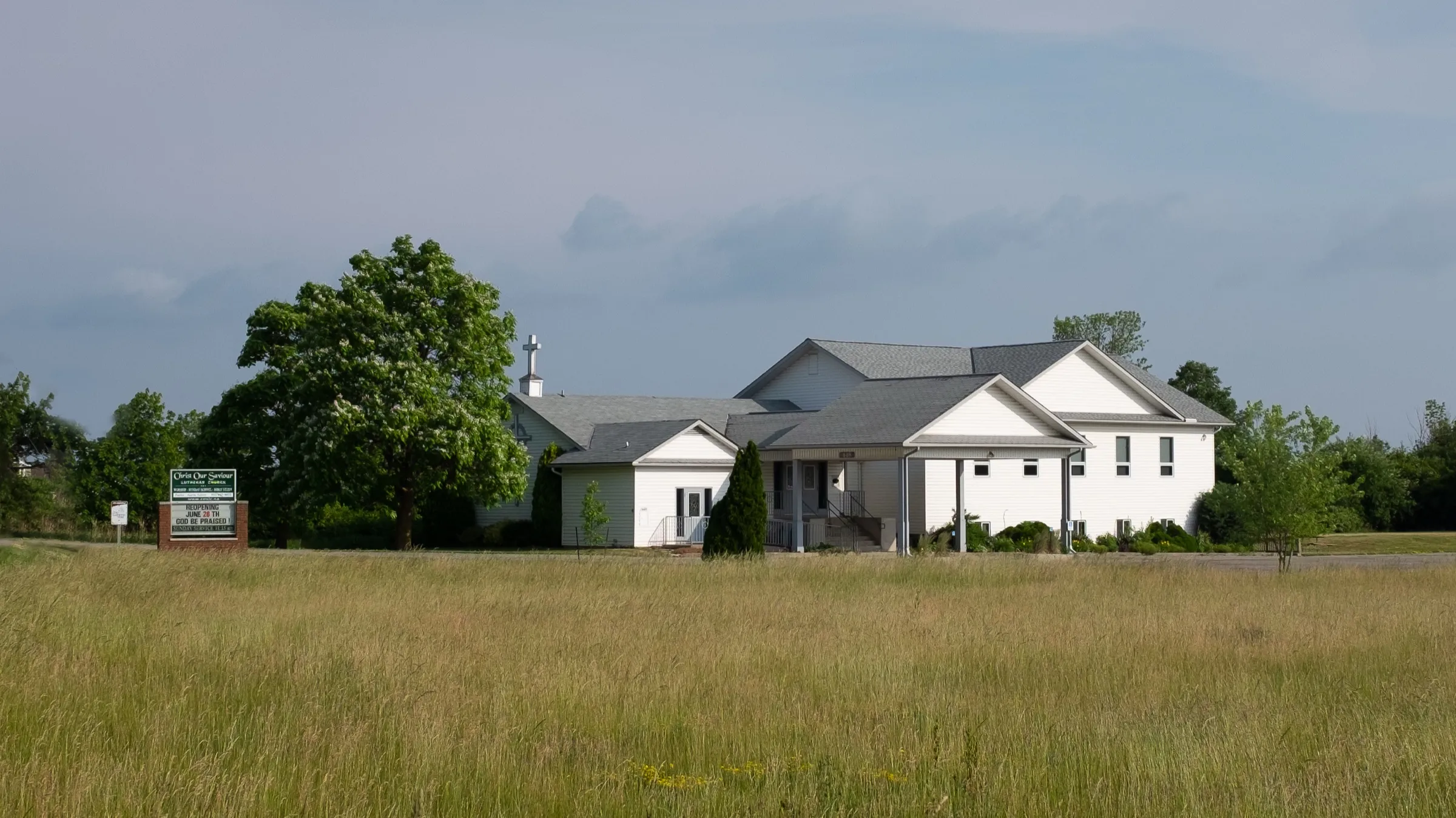
On the Mountain, Sts. Peter and Paul, St. Michael’s Anglican, Panagia Greek Orthodox Church, Bethel Gospel Tabernacle, Parkview Church, Stone Ridge Bible Chapel, Maranatha Free Reformed Church and, while its church on Hughson Street is renovated, Trinity Lutheran
In Westdale, Westdale United, and near McMaster University, Hamilton Mennonite Church; in the east end, St. Nicholas Serbian Orthodox Cathedral on Nash Road South
The Canadian Reformed congregations
Nine Canadian Reformed congregations worship in the city:
Cornerstone on Stone Church Road East, on the Mountain, instituted in 1951
Providence on Southcote Road and the Ancaster church on Shaver Road, both in Ancaster
Redemption at Strabane in Flamborough, and Trinity on Tisdale Road in Mount Hope
Blessings Christian Church and Streetlight Christian Church downtown, and Mercy Christian Church in the east end
Living Hope, the Caledonia congregation, which meets for now at Bellstone Christian School in Mount Hope
Visiting on a Sunday
Most of the congregations listed here meet between nine and eleven on Sunday morning. The Catholic parishes also keep a Saturday vigil Mass, most of them at five, and the Orthodox Divine Liturgy begins at 9:30 or 10:00. Several Reformed congregations meet a second time in the afternoon or evening, and many of the churches stream their services online.
Cornerstone Canadian Reformed Church meets at 9:30 in the morning and 3:00 in the afternoon, a seven-minute walk from the HSR stop at Upper Wellington Street and Stone Church Road, and Providence Canadian Reformed Church at 9:30 and 3:30 on Southcote Road.
By denomination
What each tradition believes, and where to find it in Hamilton.
Reformed churches are Protestant churches in the tradition of John Calvin and the Dutch Reformation, confessing the Three Forms of Unity. In Ontario the name covers four related federations with a shared Dutch heritage and distinct histories.
Roman Catholics belong to the worldwide church led by the Pope in Rome, gathered each Sunday around the Mass, where they believe Christ himself is truly present in the bread and wine. Each parish belongs to a diocese under its bishop.
Anglicans belong to the Anglican Church of Canada, part of the worldwide Anglican Communion that grew out of the Church of England. They hold the faith of the creeds, worship from the Book of Common Prayer or the Book of Alternative Services, and are led by bishops, with each parish belonging to a diocese.
The United Church of Canada was formed in 1925 when Methodist, Congregational and most Presbyterian congregations joined together. It is Canada's largest Protestant denomination, known for an open communion table, a wide theological welcome and a strong emphasis on social justice.
Presbyterians belong to the Presbyterian Church in Canada, a Reformed church with Scottish roots, governed by elders and guided by the Westminster Confession and the modern statement Living Faith.
Lutherans follow the teaching of Martin Luther as set out in the Augsburg Confession and the Small Catechism, centred on justification by grace through faith and on Christ's presence in baptism and Holy Communion. Canada has two Lutheran churches: the Evangelical Lutheran Church in Canada and Lutheran Church–Canada.
Baptists are evangelical Christians known for baptizing only those old enough to profess their own faith, and for the independence of each local congregation. In Ontario most Baptist churches belong either to the Canadian Baptists of Ontario and Quebec or to the Fellowship of Evangelical Baptist Churches.
Pentecostals are evangelical Christians who emphasize the baptism in the Holy Spirit, the gifts of the Spirit such as speaking in tongues and healing, and lively, expressive worship. The largest Pentecostal body in Canada is the Pentecostal Assemblies of Canada.
Evangelical churches in this group belong to smaller Canadian denominations — Free Methodist, Wesleyan, Evangelical Missionary, Associated Gospel, Evangelical Free, Vineyard and others — that share a gospel-centred, Bible-believing faith and a heart for mission, while differing in history and emphasis.
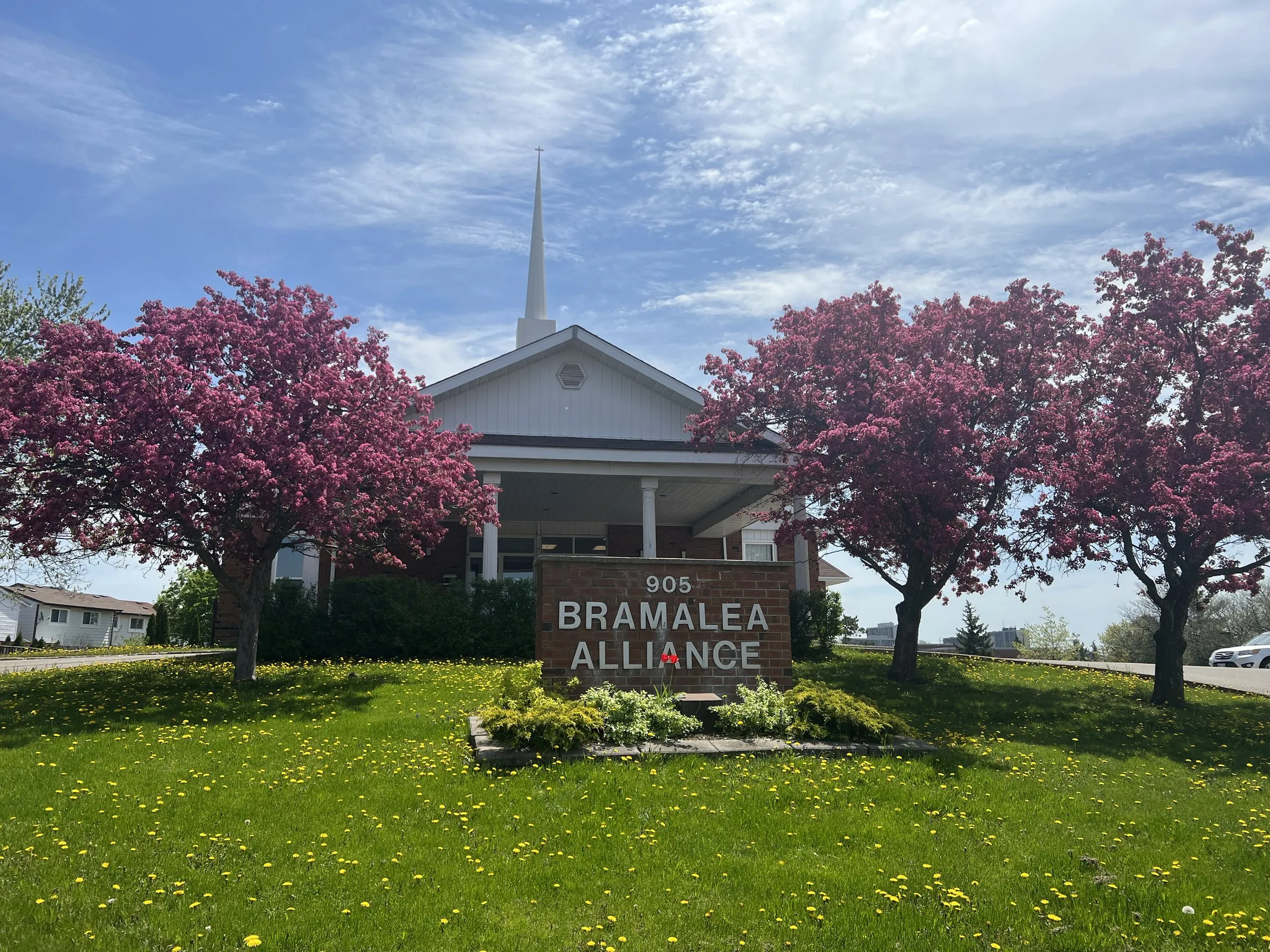
Alliance churches belong to the Christian and Missionary Alliance in Canada, an evangelical denomination founded for world mission and known for its Fourfold Gospel: Jesus Christ as Saviour, Sanctifier, Healer and Coming King.
Mennonites are Anabaptist Christians who baptize believers, follow Jesus' way of peace and put a high value on community. Wellington County is home both to modern Mennonite congregations of Mennonite Church Eastern Canada and to horse-and-buggy Old Order communities.
Brethren assemblies and Bible chapels are independent evangelical congregations from the nineteenth-century Plymouth Brethren movement, marked by a weekly breaking of bread and leadership by elders rather than clergy; the separate Brethren in Christ come from Anabaptist and Wesleyan roots.
The Salvation Army is an evangelical Protestant church in the Wesleyan-holiness tradition, founded in London in 1865, whose congregations are called corps, whose ministers are officers, and whose worship goes hand in hand with social service.
Orthodox churches are the ancient churches of the Christian East, Greek, Russian, Ukrainian, Romanian, Serbian, Antiochian and others, together with the Oriental Orthodox churches such as the Coptic, Ethiopian and Armenian; they worship with the Divine Liturgy and hold to the faith of the early councils.
Catholic teaching in its own words, the common ground Reformed churches share with it, the real differences, and what a Catholic would notice on a visit.